Who can music therapy help?
Every young person has their own story, and there is no single reason someone might benefit from music therapy.
Some young people are finding it difficult to manage their emotions or make sense of their experiences. Others may feel different from those around them, struggle to communicate, or find that the support available to them doesn’t quite meet their needs. Some may have reached a point where talking feels too difficult, or where they have stopped feeling understood by the adults around them.
The Beat Drop offers a space where young people can be met as they are, without pressure to explain themselves, fit in or have everything figured out. Through music and a supportive therapeutic relationship, they can begin to explore their experiences, develop a stronger sense of identity and discover new ways of expressing themselves.
Music therapy can support young people with a wide range of needs and experiences. The following are some of the reasons a young person might be referred, although every person’s experience is different.
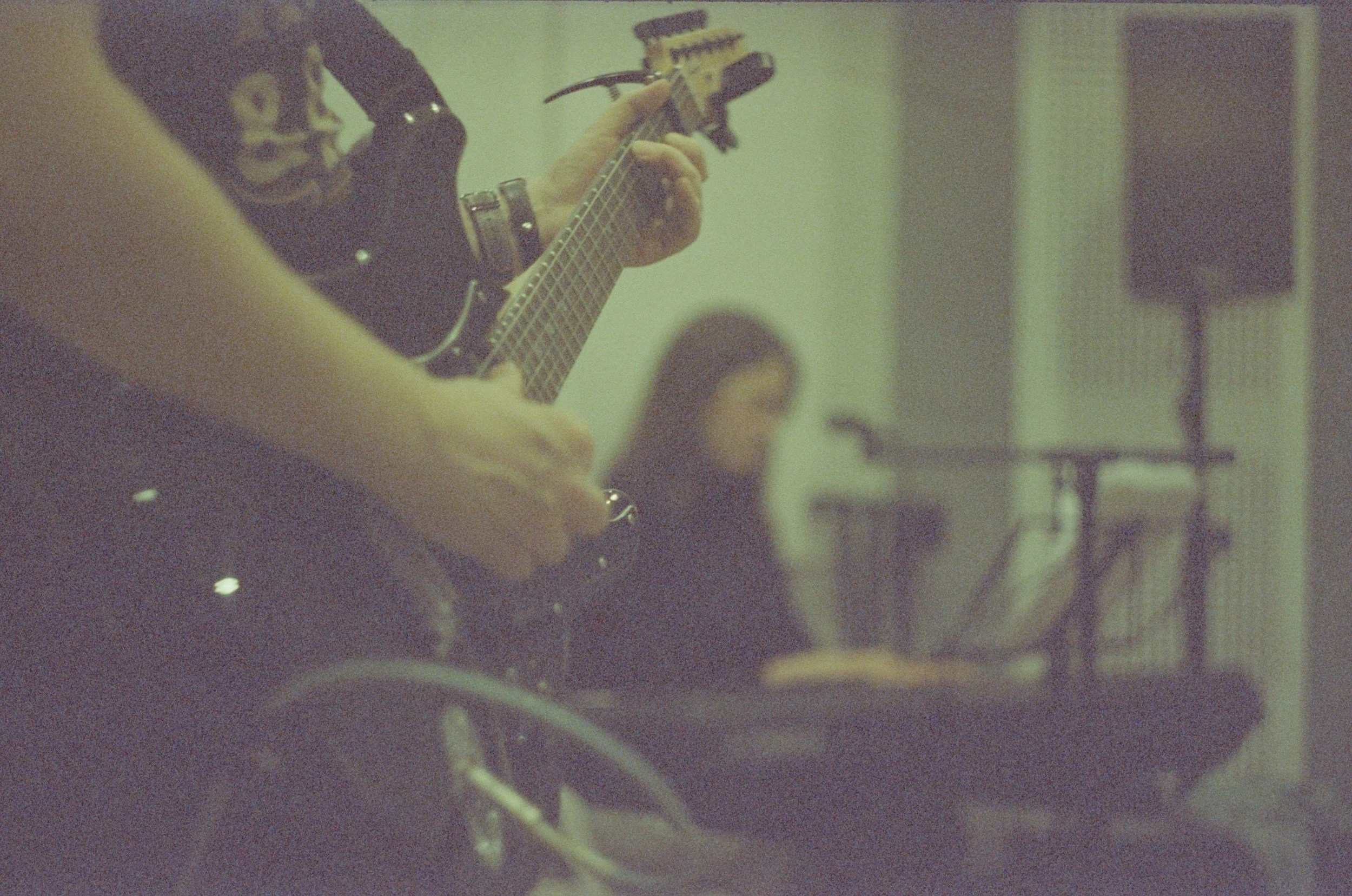
Mental health and emotional wellbeing
Growing up can bring difficult feelings that are hard to understand, manage or put into words. Anxiety, low mood, anger, loneliness or overwhelming emotions can affect how a young person sees themselves, relates to others and experiences everyday life.
Sometimes, these feelings show up in ways that are difficult for others to understand. A young person might withdraw, become overwhelmed, struggle to engage or find it hard to ask for help.
Music therapy offers a different way to explore what is happening, without everything needing to be explained through conversation.
Music therapy may help young people to:
Express and explore difficult feelings in music and words.
Develop greater self-awareness and understanding of their emotions.
Build confidence, self-esteem and a stronger sense of identity.
Find ways of managing overwhelming feelings and experiences.
Feel heard, understood and less alone.

Autism and neurodiversity
Young people experience and navigate the world in different ways. For some, social expectations, sensory experiences, communication or the pressure to fit in can make everyday life exhausting. Others may spend so much energy trying to meet other people’s expectations that their own feelings and needs become difficult to recognise or express.
Music therapy can offer a space that works with a young person’s individual ways of communicating, experiencing and relating to the world, rather than expecting them to adapt to a particular approach.
There is no right way to take part. Music might involve creating sounds, exploring instruments, listening to familiar songs, finding patterns and rhythms, or making music together.
Music therapy may help young people to:
Explore identity and develop a better understanding of themselves.
Communicate and connect in ways that feel comfortable and meaningful.
Recognise and express emotions and sensory experiences.
Explore relationships, shared experiences and social connection.
Feel accepted without pressure to mask, fit in or change who they are.

SEND and learning disabilities
Not every young person communicates or processes experiences in the same way. For those with special educational needs and disabilities, learning disabilities or differences in communication, a conversation-based approach may not always feel accessible or appropriate.
Music offers opportunities for expression and connection that do not depend on having the right words. Sessions are shaped around each young person’s strengths, interests, abilities and individual needs, with no previous musical experience required.
Music therapy may help young people to:
Express themselves through sound, rhythm, movement and music.
Develop confidence in their choices, preferences and abilities.
Experience connection and shared communication with another person.
Explore feelings and experiences at their own pace.
Build on their strengths and develop a greater sense of agency.
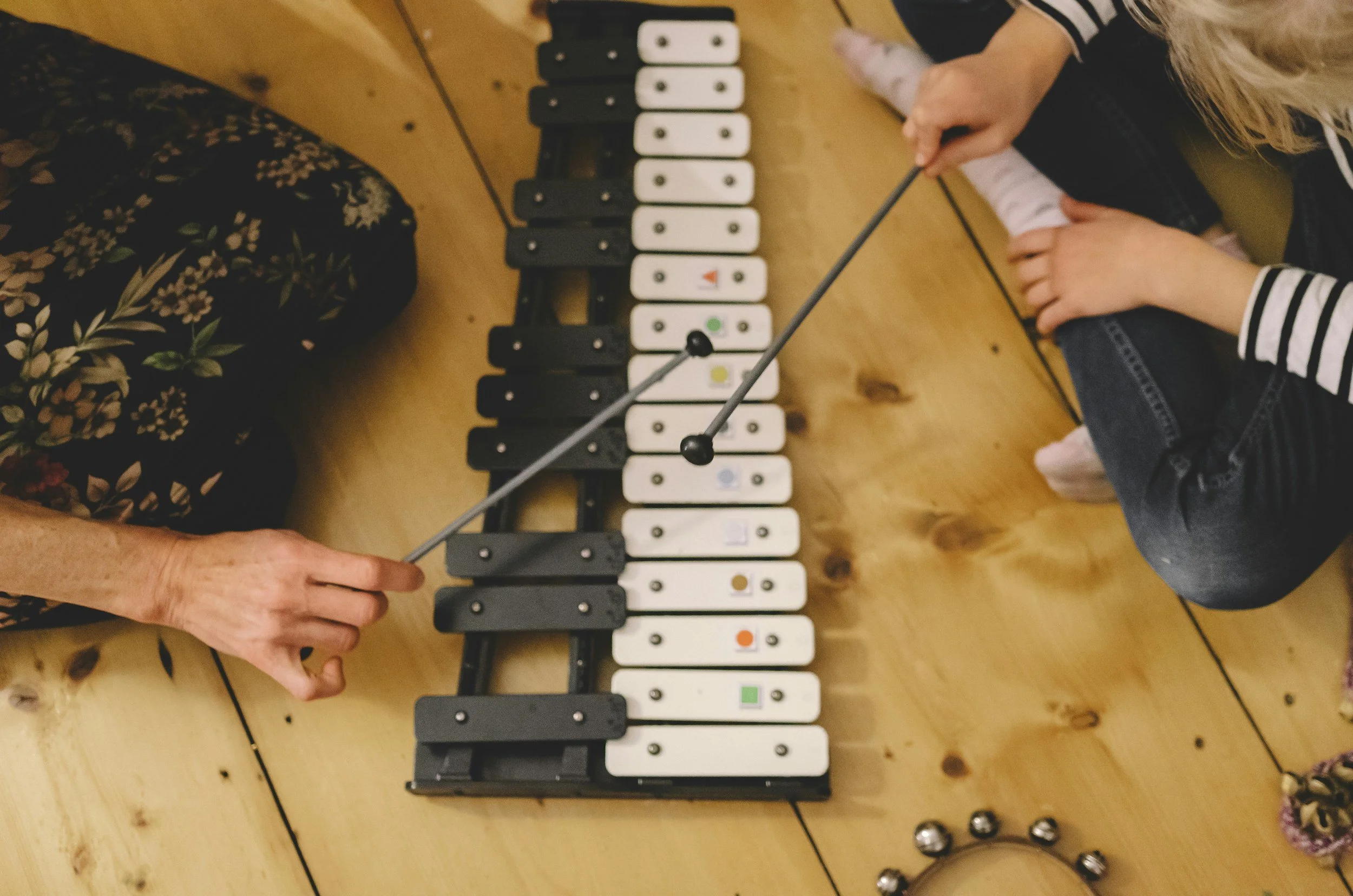
School anxiety and difficulty engaging with education
For some young people, attending school or taking part in education becomes increasingly difficult. Anxiety, emotional distress, sensory overwhelm, relationship difficulties or experiences of feeling unsafe or misunderstood can all play a part.
What looks like refusal, withdrawal or disengagement may be a sign that something isn’t working for that young person. Rather than focusing on getting them to comply with expectations, The Beat Drop seeks to understand what might be happening beneath the surface.
Music therapy can provide a starting point when traditional support has felt difficult to access, or when a young person is not yet ready to talk about what they are experiencing.
Music therapy may help young people to:
Build trust within a consistent, supportive relationship.
Explore feelings about school, learning and everyday expectations.
Develop a greater understanding of what feels difficult or overwhelming.
Experience connection and achievement without the pressure to perform.
Begin to rebuild confidence and explore what support might help.
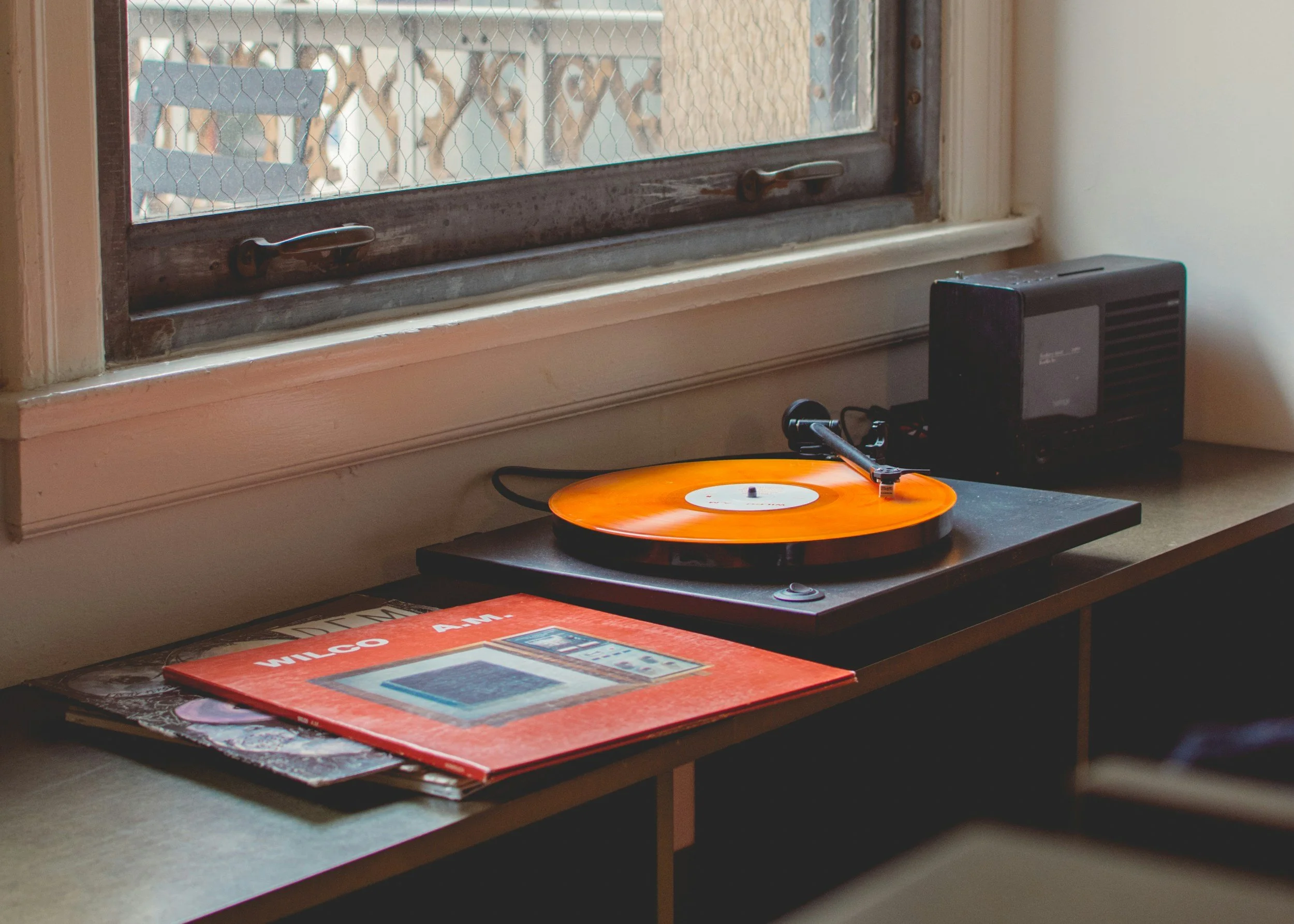
Attachment, relationships and experiences of adversity
Early relationships and life experiences can shape how young people see themselves, understand others and experience relationships. For those who have experienced disrupted attachments, loss, trauma, changes in care or inconsistency from the adults around them, trusting others may not come easily.
A young person might push people away, find it difficult to accept support, become withdrawn or struggle to make sense of their feelings. These responses can have meaning, even when that meaning is not immediately clear.
At The Beat Drop, the relationship is central to the work. Music offers a way to spend time together, communicate and gradually build trust without expecting a young person to disclose personal experiences before they feel ready.
Music therapy may help young people to:
Experience a consistent relationship in which they feel listened to and taken seriously.
Explore feelings around trust, connection, loss and change.
Express experiences that may be difficult to talk about directly.
Develop a stronger sense of self-worth and personal identity.
Experience relationships in which their choices, boundaries and individuality are respected.

Identity, belonging and feeling different
Adolescence is a time of working out who you are, where you belong and how you want to be seen by others. For some young people, this can feel particularly difficult. They might feel different from their peers, struggle to find their place, or feel that the people around them don’t really understand who they are.
Some may be dealing with labels, expectations or experiences that have shaped how they see themselves. Others may simply be unsure how to make sense of their feelings or express parts of themselves that they keep hidden.
Music can be closely connected to identity. The songs we choose, the lyrics we relate to and the music we create can offer ways of exploring who we are, what matters to us and how we experience the world.
Music therapy may help young people to:
Explore their identity, interests, values and sense of belonging.
Feel more confident in expressing their thoughts, feelings and individuality.
Make sense of experiences that have influenced how they see themselves.
Discover their own strengths, preferences and ways of relating to others.
Develop a more accepting relationship with themselves.

Every young person is different
These categories are not boxes that young people need to fit into. A young person might recognise themselves in several of these experiences, or in none of them exactly.
At The Beat Drop, the starting point is always the individual: who they are, what they have experienced, what matters to them and what they might need from the relationship.
There is no expectation to be musical, to talk about difficult experiences or to arrive with a clear goal. Sometimes the first step is simply finding a space where it feels possible to be yourself.
You don’t have to know exactly what’s wrong, or have the words to explain it, to begin.
If you’re wondering whether music therapy might be helpful for a young person you know, get in touch to find out more about The Beat Drop and discuss whether it might be a good fit.